

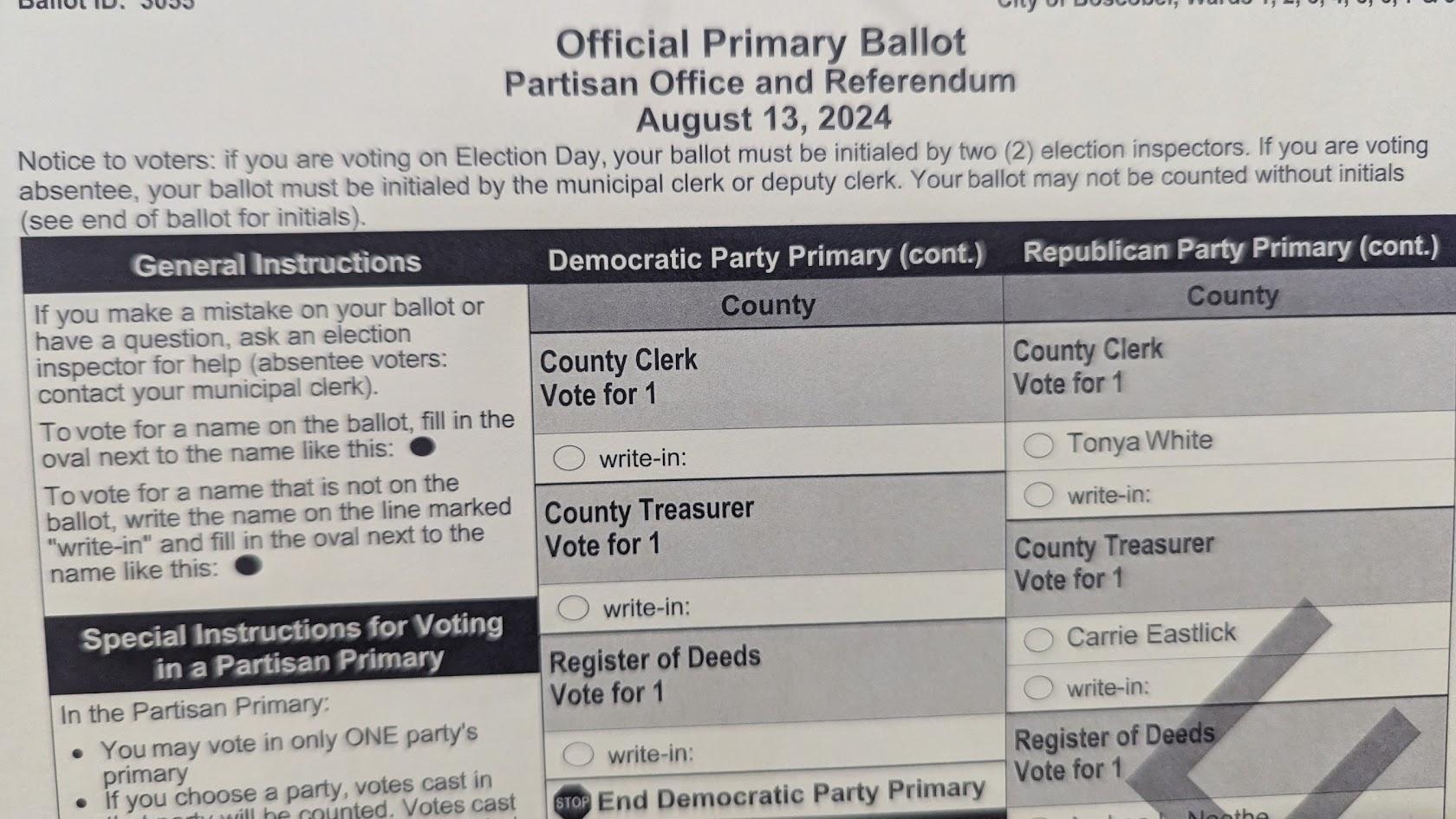
Source: Jimmie Kaska | Civic Media
Spring Election dates and deadlines: Paperwork circulation underway in Wisconsin
If you're looking to run for local office in 2026, you can now begin circulating paperwork to get on the ballot.

Dec 2, 2025, 4:30 PM CST


Share
MADISON, Wis. (Civic Media) – Two elections and two primaries are on tap for Wisconsin in 2026, and the first major date on the calendar to get on the ballot for the first round of them has passed.
As of Dec. 1, candidates for office in the Spring Election can circulate paperwork to get on the ballot.
Dec. 1 was also the first day that a municipal government can set a caucus date. Municipal clerks also must certify an approximate number of electors in their area to county clerks.
Spring elections are typically county, municipal, and school board elections, although referendums and statewide non-partisan elections also appear on the ballot. This year, voters will be asked statewide to decide on a state Supreme Court justice to serve the next 10 years.
Getting on the ballot
Nearly every candidate in the spring will be a local candidate. The Wisconsin Elections Commission has a number of tools to help anyone interested in running for office learn about what they need to get on the ballot, including a Ballot Access Manual. The resources on the WEC website are intended to help state residents gather everything needed to run for local office, as well as provide information about how elections work at the local level.
Some of the most important information for anyone considering a run for local office to know is where to file your paperwork, and how many signatures you need to get on the ballot. Some smaller offices, such as for school board, may only require a handful of signatures. County-wide offices may require more. Those running for a non-partisan statewide office have a much higher signature requirement.
Generally, the minimum requirements to hold public office are to be a U.S. citizen, be at least 18 years old for most offices, be a resident of the district you are running to represent, and have no felony convictions in the U.S. unless you’ve been pardoned.
Candidates also have to file campaign paperwork, including a declaration of candidacy and nomination papers for office, with the municipality they are running to represent.
All of that is to say, by meeting the minimum requirements, gathering the required signatures, and filling out the required forms, you can get your name on the 2026 Spring Election ballot.
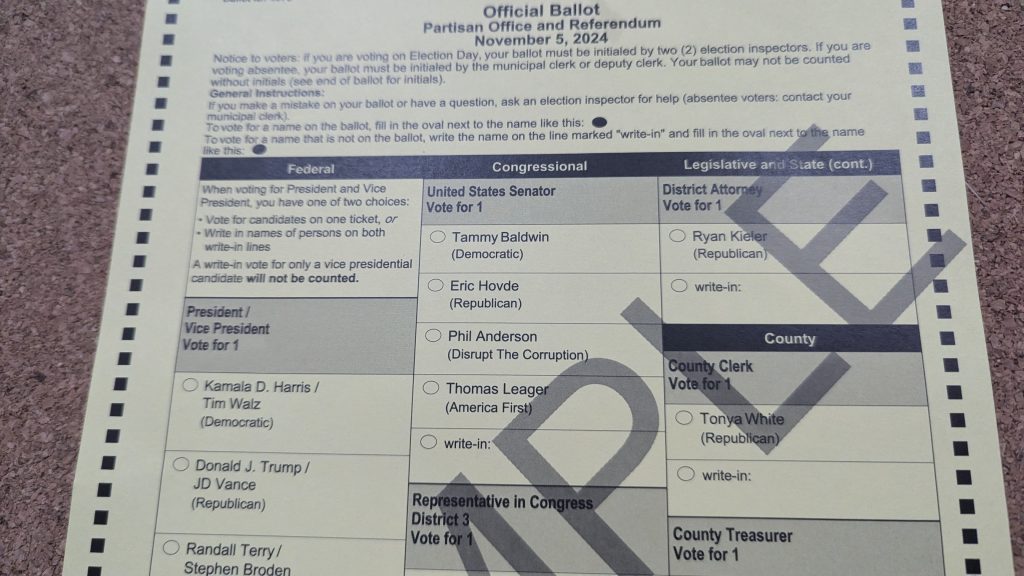
Important Dates for the 2026 Spring Primary and Spring Election
Dec. 1 kicks off a busy month for Spring Election materials. On Dec. 9, any school district or municipality that wants to hold a referendum and place it on the February primary ballot has to get their question or questions filed. Dec. 26 is the last day that current office holders must file a notification of non-candidacy if they do not want to run again.
On Jan. 1, it’s the deadline for municipalities to set a date for caucus, which can be held as early as Jan. 2. The big deadline is Jan. 6, where candidates for office on the Spring Election ballot have to have all of their paperwork filed.
Challenges to nominating paperwork must be filed by Jan. 9, which is also the last day for judicial candidates to file paperwork with the Wisconsin Ethics Commission.
Jan. 21 is the last day to hold a caucus, and also when clerks publish notice of referendum. It’s also the final day that candidates can acquire a residence for the Spring Election. Jan. 27 is the last day that referendum questions can be filed for the Spring Election.
On Jan. 27, absentee ballots are sent out for the February primary, although authorized care facilities can file ballots with special voting deputies as early as Jan. 26. The final day of online voter registration is Jan. 28, with in-person voter registration beginning Jan. 29. The absentee ballot deadline is Feb. 12 or 13, depending on the type of ballot being sought. Feb. 13 is the final day for write-in candidates to register for the primary, and also the last day of in-person registration ahead of the primary.
The 2026 Spring Primary is on Feb. 17. The Spring Election is on April 7.
Spring Primary and Election Recent History
The 2025 Spring Election was among the most high-profile elections in state history, with record amounts spent on the state Supreme Court race won by Susan Crawford. Jill Underly defeated Brittany Kinser for state Superintendent last spring as well. 51 of 89 school referendums were approved by voters last spring, totaling over $1 billion.
In 2023, over 1.8 million Wisconsin residents cast a vote in the Spring Election for the state Supreme Court. In 2024, over 1.1 million people voted in the presidential primary.
You can learn more about your voter registration status, where to vote, who will be on your ballot, and more on the MyVote Wisconsin website.
To learn more about how to access the ballot or how to run for local office, you can visit the Wisconsin Elections Commission website.
For a calendar of important election-related dates in Wisconsin, you can also visit the Wisconsin Elections Commission website.
Jimmie is Civic Media’s Sports Director who also works in digital content, sports, news, and talk programming. Email him at [email protected].
Want More Local News?

Civic Media
Civic Media Inc.
The Civic Media App
Put us in your pocket.