

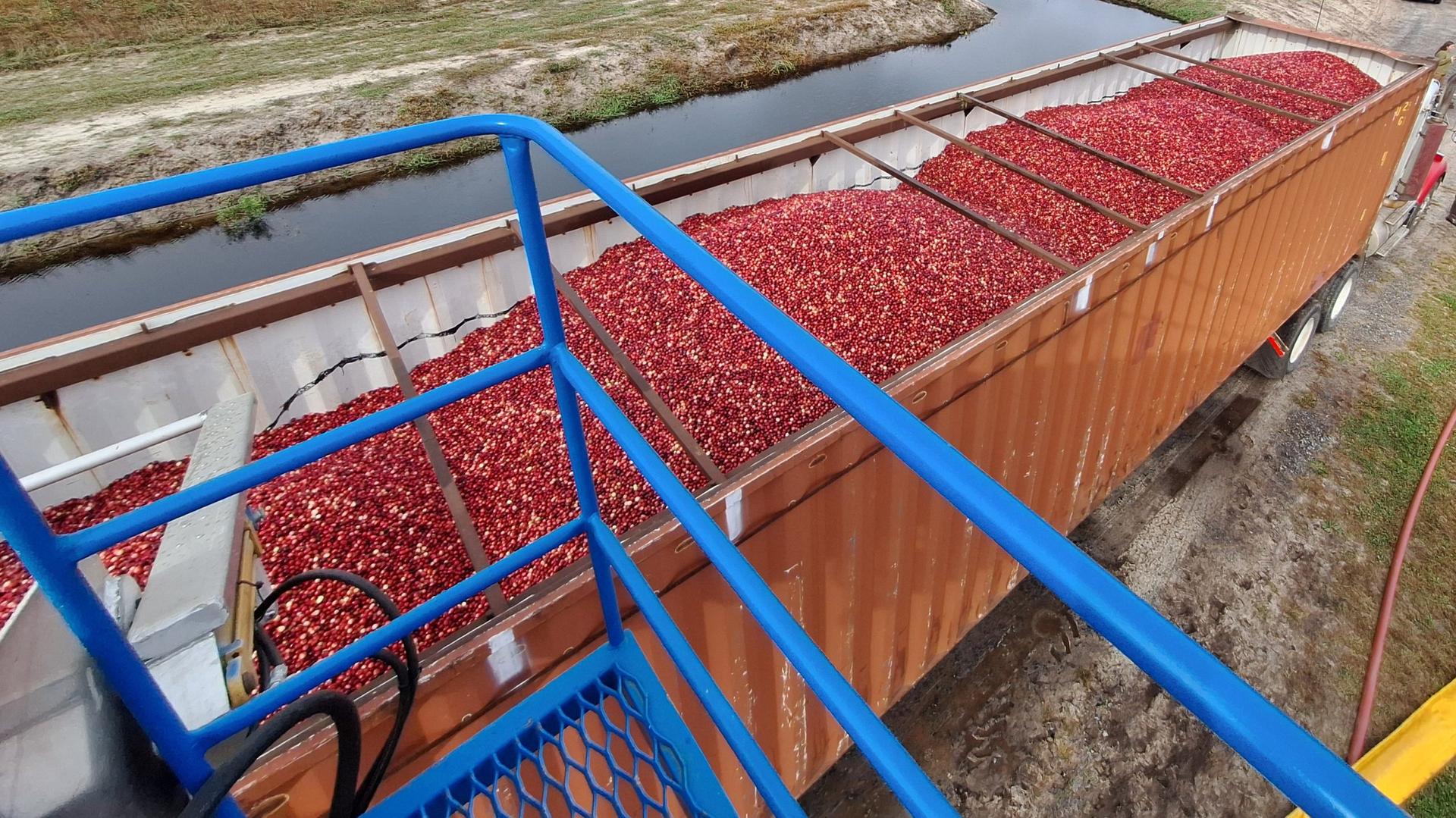
Source: Melissa Kaye
All you wanted to know about Wisconsin’s cranberry harvest
Wisconsin’s cranberry harvest is booming. The state is projected to dominate production for the 31st year in a row.

Oct 8, 2025, 6:15 PM CST


Share
BLACK RIVER FALLS, Wis. (WFHR / WIRI) – Across the Badger State, Wisconsin’s cranberry harvest is underway. The cranberry is a native plant to the region and growers here know what they’re doing when it comes to this hardy perennial.
Cranberry statistics
The United States leads the world in cranberry production. Canada is a trailing second and Chile third according to World Atlas. Wisconsin has a long history of growing cranberries. Many of the more than 250 growers in the state are multi-generational family businesses. Even with a smaller harvest than last year, Milwaukee Business News reports Wisconsin growers are expected to produce 65 percent of the global supply in 2025. The cranberry became Wisconsin’s state fruit early in the 21st century.
Cranberries don’t grow in water
Despite popular opinion, cranberries don’t grow in water. Holly Herline is Communications Manager for the Wisconsin State Cranberry Growers Association. She led the tour at the Cranberry Innovation Center location in Black River Falls.
“We’re on a cranberry marsh,” said Herline. “In Wisconsin we call them marshes, not bogs.”
Cranberry beds are depressed areas of ground surrounded by ditches and dikes. The perennial cranberry plants grow in sandy acidic soil.
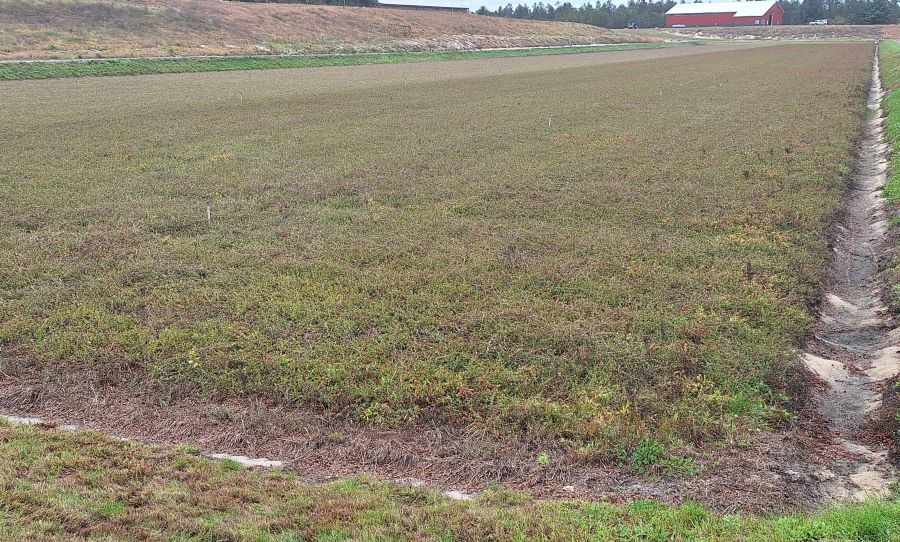
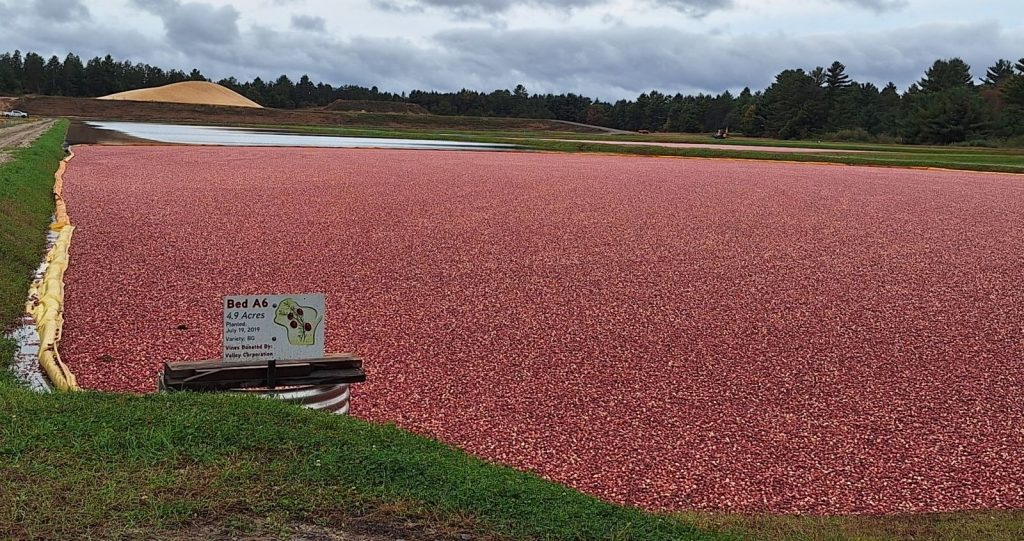
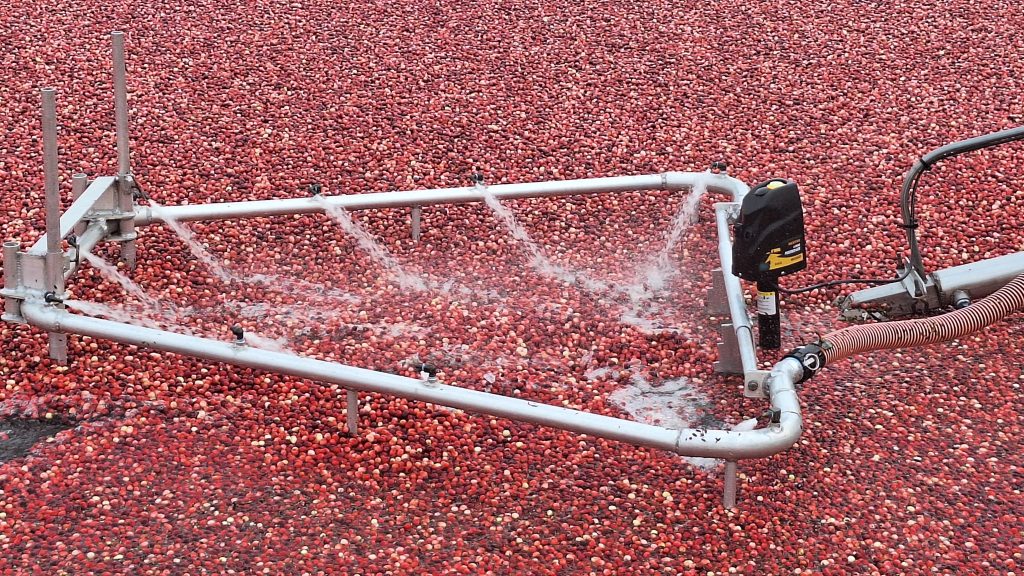
During the harvest season, the beds are flooded when the berries are ripe. Cranberries have hollow air pockets inside that allow the fruit to float, making it easier to harvest. Water is used periodically at other times of the year for protection from frost on cold nights and insulation during the winter.
Fresh cranberries are only available for a short time
Only five-percent of the annual cranberry crop is sold as fresh berries. That portion is harvested gently to avoid bruising the fruit. Herline said fresh cranberries are only available in the stores from roughly October to November.
“You can really only buy fresh berries during that time frame, so we recommend people to stock up,” says Herline. “They freeze really well for a year.”
Harvest methods are different marsh by marsh
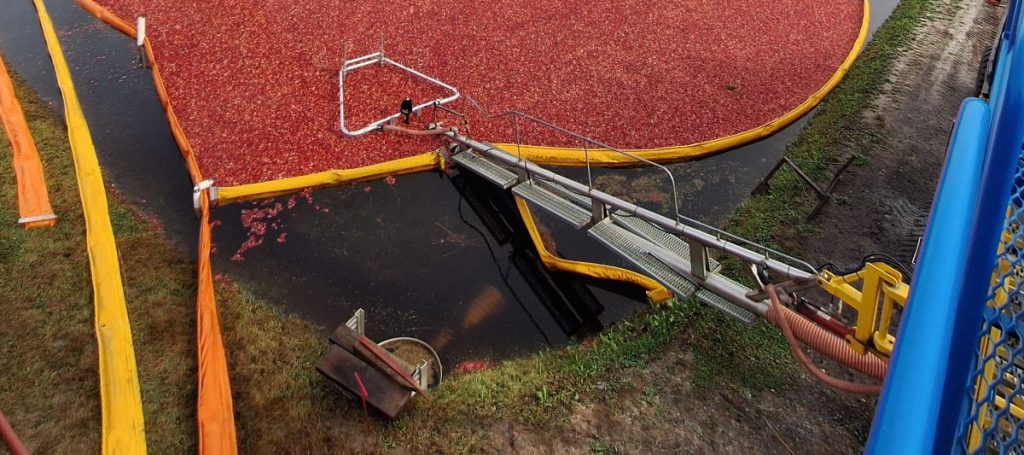
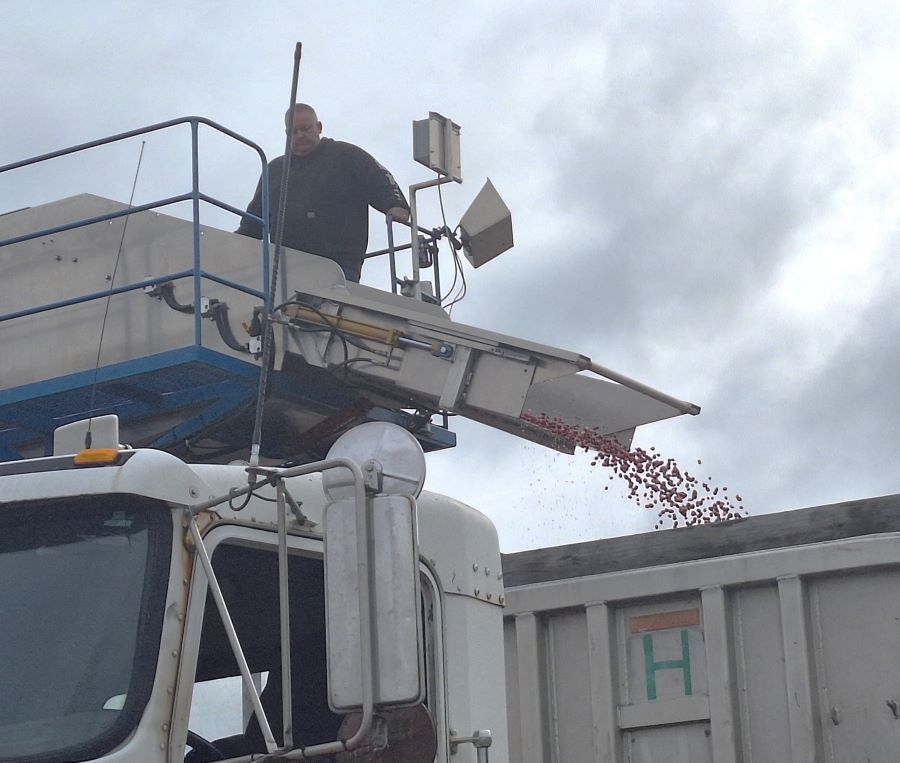
Even though Wisconsin produces more cranberries than anyone else, it’s still a relatively small crop compared to others in the state. Herline says different growers harvest in different ways. Equipment for harvesting cranberries is mostly constructed by growers themselves. Some use the water jets to spray berries into the uptake pipes. Some use a circulating drum to push the berries and some use elevators.
“They’re a very innovative bunch,” says Herline. “They are not just farmers, they are engineers and mechanics and scientists.”
Economic impacts to Wisconsin
The USDA National Agriculture Statistics Services projects the Wisconsin 2025 cranberry harvest to reach 5.3 million barrels. The cranberry industry is valued at just under $1 billion and employs nearly 4,000 people in the state. Wisconsin agriculture as a whole contributes over $116 billion annually to the state economy.

Melissa Kaye is the News Director for WFHR and WIRI in Wisconsin Rapids. Email her at [email protected].
Want More Local News?

Civic Media
Civic Media Inc.
The Civic Media App
Put us in your pocket.